
State to draft a policy for AI-based Smart Goggles
Ravikiran Deshmukh
Against the backdrop of the growing use of artificial intelligence (AI)-based smart goggles, smart glasses, camera-equipped eyewear, and other wearable devices, the state government has appointed a one-member committee to study the potential threats these technologies may pose to national security, state security, and citizens’ privacy.
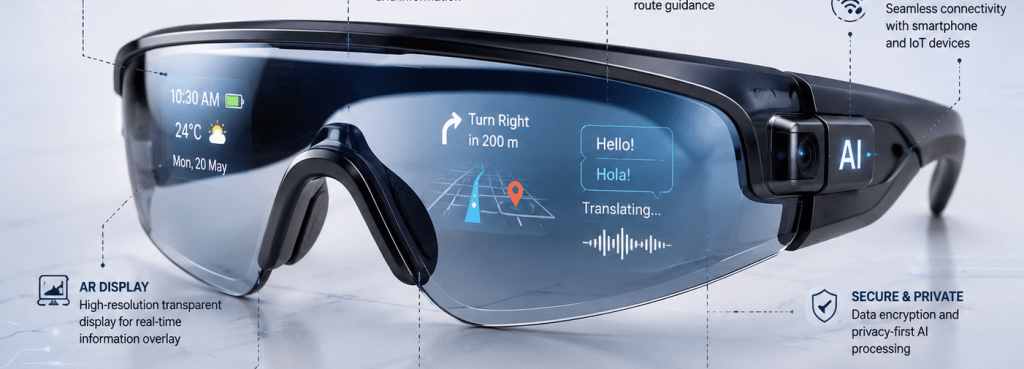
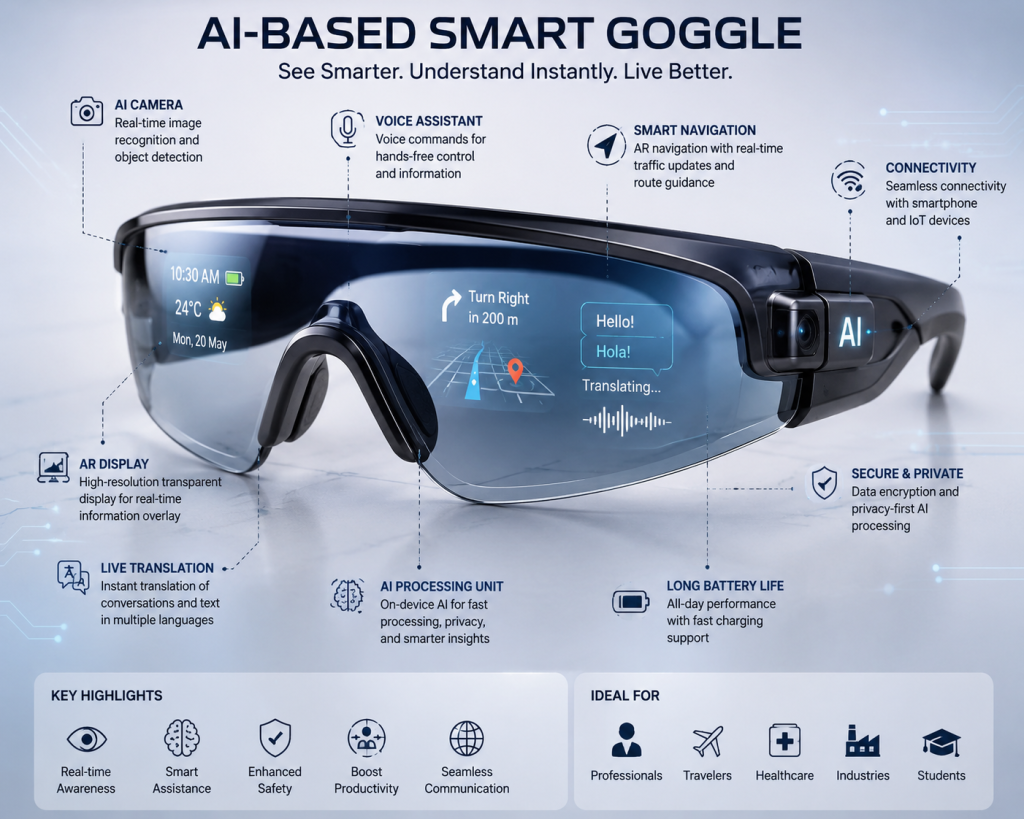
People are increasingly being attracted to smart goggles, which are connected to mobile phones via Bluetooth. These devices can be used to capture photographs and videos, record audio, livestream, perform facial recognition, and collect various types of data. The government has therefore expressed the need to formulate clear rules and a comprehensive Standard Operating Procedure (SOP) to prevent misuse of this technology in public as well as sensitive locations.
Such devices can also be used to photograph or record people without their knowledge or consent, including recording conversations. This has consequently raised concerns regarding individual liberty and privacy.
According to the government decision, the Additional Director General of Police, Maharashtra State Cyber, Mumbai, who heads the Maharashtra State Cyber Crime Coordination Center (S4C), has been appointed as the sole member of the committee.
What is the scope of the committee?
The committee will conduct a detailed study of the technological capabilities of AI-based smart goggles, smart glasses, camera-equipped eyewear, and other wearable devices. This will include video and audio recording, live broadcasting, facial-recognition technology, and the nature and extent of data collection.
In addition, the committee will assess the potential security risks arising from the use of these devices at the Mantralaya, government offices, police stations, court premises, airports, railway stations, energy facilities, ports, and other sensitive locations related to defense.
The committee will also examine the potential impact on citizens’ privacy in educational institutions, hospitals, religious places, and other public spaces.
Clear rules governing their use
Clear guidelines will be formulated specifying where and under what circumstances AI-based wearable devices may or may not be used. The committee will work on establishing security protocols while ensuring the protection of citizens’ individual liberty and privacy.
Its mandate will also include developing special training modules and guidelines for security officers and relevant agencies to regulate the use of these devices at public and sensitive locations.
Report within four months
The committee will submit a report and recommendations to the government regarding the legitimate use of AI-based smart goggles, smart glasses, and other wearable devices, as well as other related matters.
The committee is expected to submit its detailed report and recommendations to the Home Department within four months of the issuance of the government decision. Consequently, Maharashtra is likely to introduce clearer regulations in the coming period governing the use of AI-based wearable devices in public.